By Rob Bynder
For the first time, INBOUND took place at San Francisco’s Moscone Center, bringing together over 13,000 marketing, sales, and customer success professionals for three days of insights that could redefine business growth. As a design and marketing professional with over 30 years of experience in digital transformation, and a HubSpot agency partner since 2017, I left the conference feeling that HubSpot is undergoing its most significant transformation yet, signaling the start of a new era.
Here’s your executive summary of the future.
The Great Marketing Reset
CEO Yamini Rangan delivered the harsh truth: traditional inbound marketing is having its going the way of MySpace. Organic traffic as we’ve known it is dying, and traditional inbound marketing strategies are losing their effectiveness in an AI-mediated world.
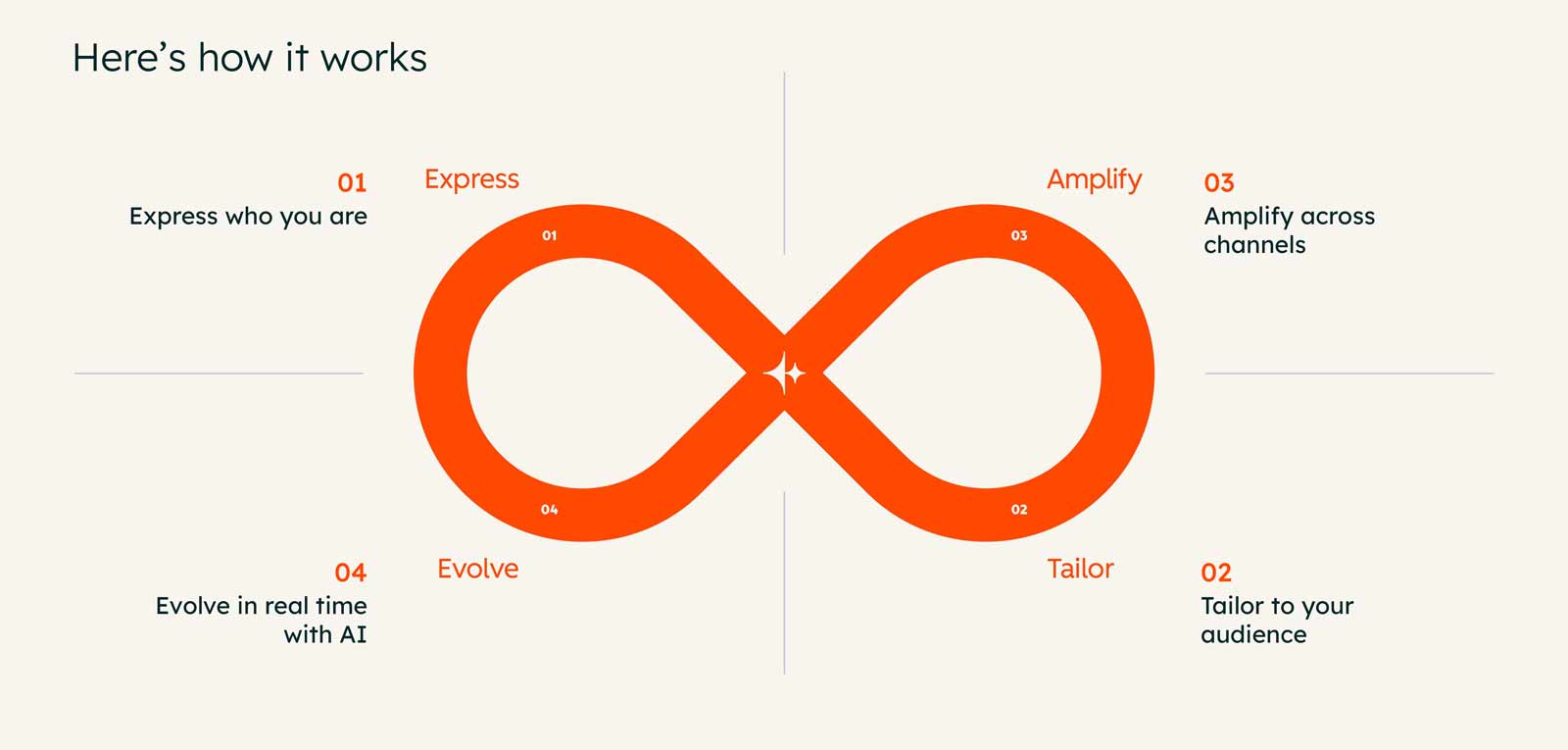
Enter “The Loop“: HubSpot’s evolution beyond inbound marketing. It’s a continuous growth cycle methodology designed for hybrid human-AI teams:
- Express: Say something worth hearing
- Tailor: Make it personal (actually personal, not “Dear [First Name]” personal)
- Amplify: Be everywhere your customers are
- Evolve: Adapt faster than your competitors can say “pivot”
This represents the most significant shift in growth methodology since HubSpot first coined “inbound marketing” over a decade ago.
200+ Updates That Actually Matter
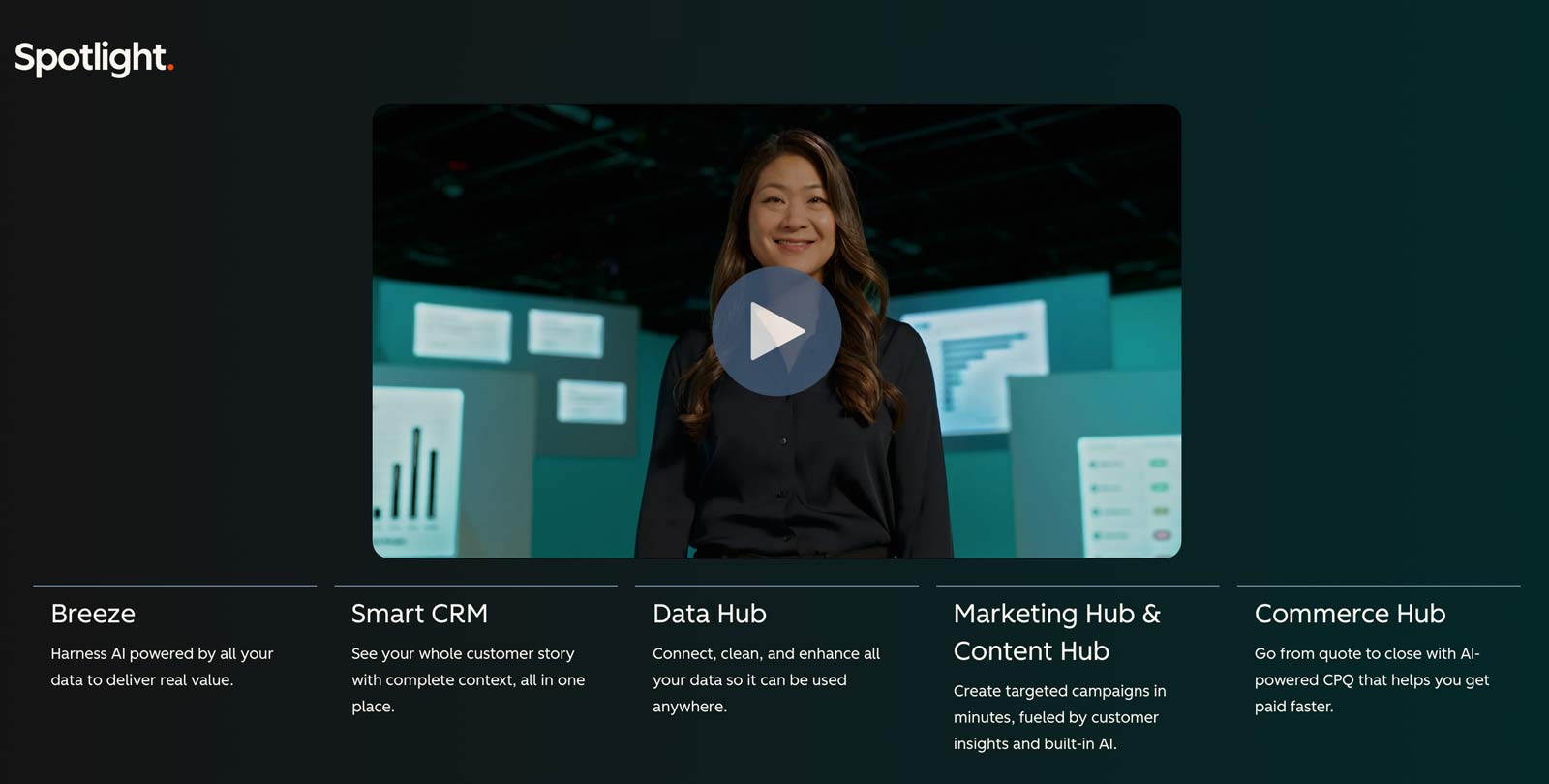
The HubSpot Fall 2025 Spotlight introduced over 200 product updates, the largest release in the company’s history. Three announcements stand out as game-changers for growth-focused organizations:
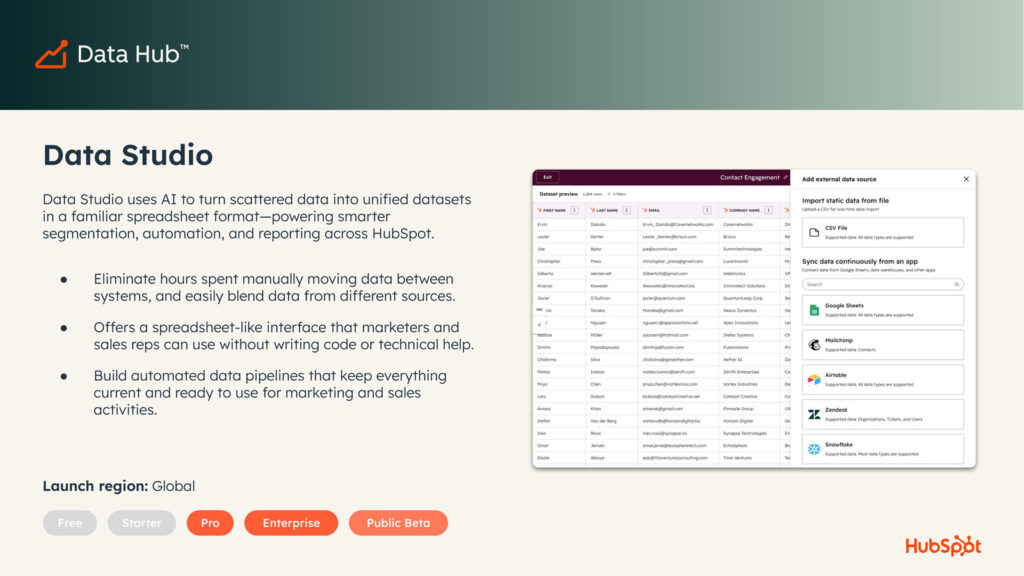
Data Hub: Your Crystal Ball, But Real
Most businesses make critical decisions with only 20% of their available data. The rest sits trapped in silos, scattered across systems, or buried in unstructured formats like call transcripts and email conversations.
HubSpot’s new Data Hub addresses this challenge directly by consolidating structured, unstructured, and external data sources into a single, unified foundation. Key capabilities include:
- Data Studio: Connects to warehouses, apps, and files while suggesting data relationships
- Data Quality: Automates de-duplication, standardization, and gap-filling
- Smart CRM enhancements: Flexible views, conversational enrichment, and AI-surfaced insights
For businesses struggling with fragmented customer data, this represents a massive competitive advantage. When your AI systems have complete context about customer interactions, they can deliver truly personalized experiences at scale.
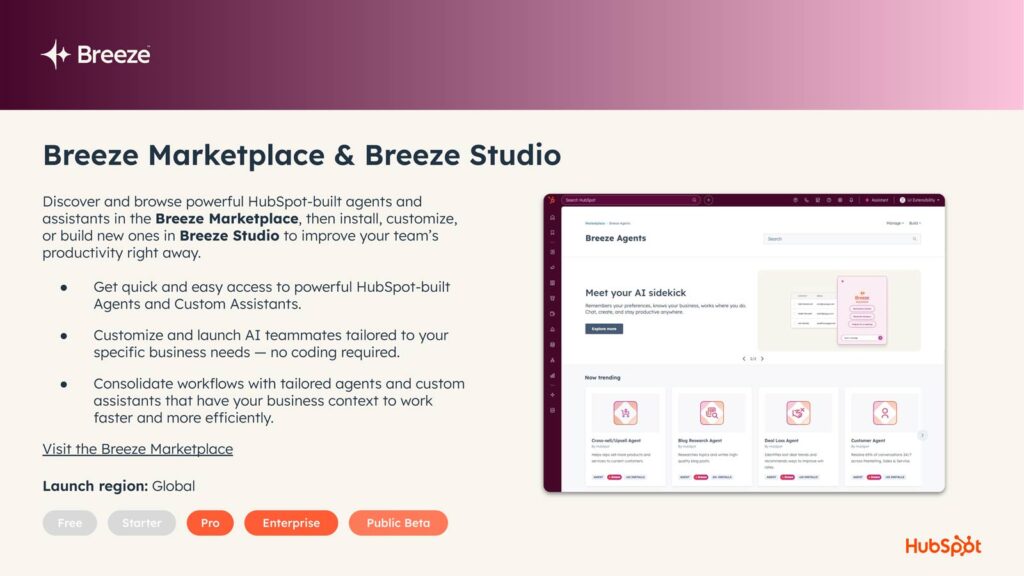
Breeze Agents: Your New AI Workforce
Eighteen new AI agents that don’t just give advice, they do the work. The standouts:
- Data Agent: Answers complex customer questions instantly (like having a research team that never sleeps)
- Customer Agent: Resolves half your support tickets automatically (your support team will send thank-you cards)
- Prospecting Agent: A 24/7 BDR that never gets tired of rejection
These aren’t chatbots—they’re digital employees with access to your entire business context.

Smart CRM: Like a Bespoke Suit for Your Business
HubSpot’s new Smart CRM redefines customer relationship management by integrating cutting-edge AI capabilities designed to streamline business operations and elevate customer experiences.
- Flexible CRM Views: See your customer data the way your business works to more easily spot trends and act fast.
- Self-Generating CRM Data: Automatically enriches contact and company records with HubSpot’s proprietary data, AI-driven smart properties, and insights pulled straight from your team’s conversations.
- Smart Insights: Proactively analyzes CRM data and identifies what’s important, what’s changed, and what to do next.

What This Means for Your Business
The implications of INBOUND 2025 extend far beyond HubSpot users. Here’s how smart business leaders should be thinking about these developments:
1. AI Is Infrastructure, Not a Side Project
The companies that succeed won’t be those with the most AI tools, but those with the smartest hybrid teams where AI multiplies human impact rather than replacing it.
2. Data Unity Is Your Competitive Moat
The businesses thriving in 2025 and beyond will be those that can activate all their customer data, not just the 20% that’s easily accessible. If your organization is still operating with data silos, you’re essentially fighting with one arm tied behind your back.
3. Customer Experience Becomes Conversational
The shift toward AI-mediated buyer journeys means customers increasingly expect conversational, personalized interactions rather than traditional funnel-based experiences. Businesses need to meet customers where they are, with the right message, at the right time, through the right channel.
4. Marketing and Sales Alignment Is Critical
With AI agents handling more routine tasks, human team members can focus on strategy, creativity, and complex relationship building. But this only works when marketing and sales operate from the same data foundation and shared objectives.
The Bottom Line
Exploring the conference with Nick Carlson from Secret Source, we were both struck by how lucky we are for this opportunity to experience such a massive evolution in business, marketing, and communications firsthand. Having experienced the invention of desktop publishing, the rise of the internet, the emergence of social media, and now the rapid growth of AI and automation, it’s clear that innovation is accelerating at an unprecedented pace.
INBOUND 2025 made one thing clear: the businesses that master hybrid human-AI operations will create significant competitive advantages over those that treat AI as an afterthought.
HubSpot’s massive product release provides a glimpse into what’s possible when AI is deeply integrated into every aspect of the customer experience. But tools alone won’t drive success. You need strategy, data discipline, and a commitment to continuous learning.
The Loop isn’t just HubSpot’s new growth playbook. It’s a preview of how all successful businesses will operate in the AI-first era. The question isn’t whether this transformation will happen, but whether your business will adapt and gain a competitive edge.

Plus, Colin Jost killed it in a much-needed break from work with an inspiring and hilarious set about overcoming self-doubt and trusting our ideas to become successful.