Most companies do one of two things when they complete a tradeshow: blast everyone with the same email sequence they’d send a website lead, or let the list sit until it goes cold. Neither works. The companies that consistently turn tradeshow investment into pipeline do something different: they treat the show as the beginning of a sales conversation, not the end of a marketing effort.
Here’s how to build the 30 days after the show into a real follow-up system.
First: Understand Why Tradeshow Leads Are Different
A badge scan is not a lead. It’s an introduction.
The person who stopped at your booth, asked about your pricing, and handed you a card? That’s a warm prospect. The person whose badge you scanned at the networking event? That’s a contact with minimal intent. Treating them the same way is where most post-show follow-up breaks down.
Tradeshow contacts differ from inbound leads in three important ways:
-
- Context. They met you in person, or at least walked past your booth. There’s a shared reference point. Your follow-up should use it.
- Timing. The show created a moment of relevance that fades fast. A follow-up that lands a week after the show lands in a different context than one that arrives 48 hours after.
- Variety of intent. A single badge scan list contains people who are ready to buy, people who were just browsing, and people who have no idea why they’re on your list. Your follow-up has to account for all three.
The first thing you need to do is split the list.
Step 1: Segment Before You Send
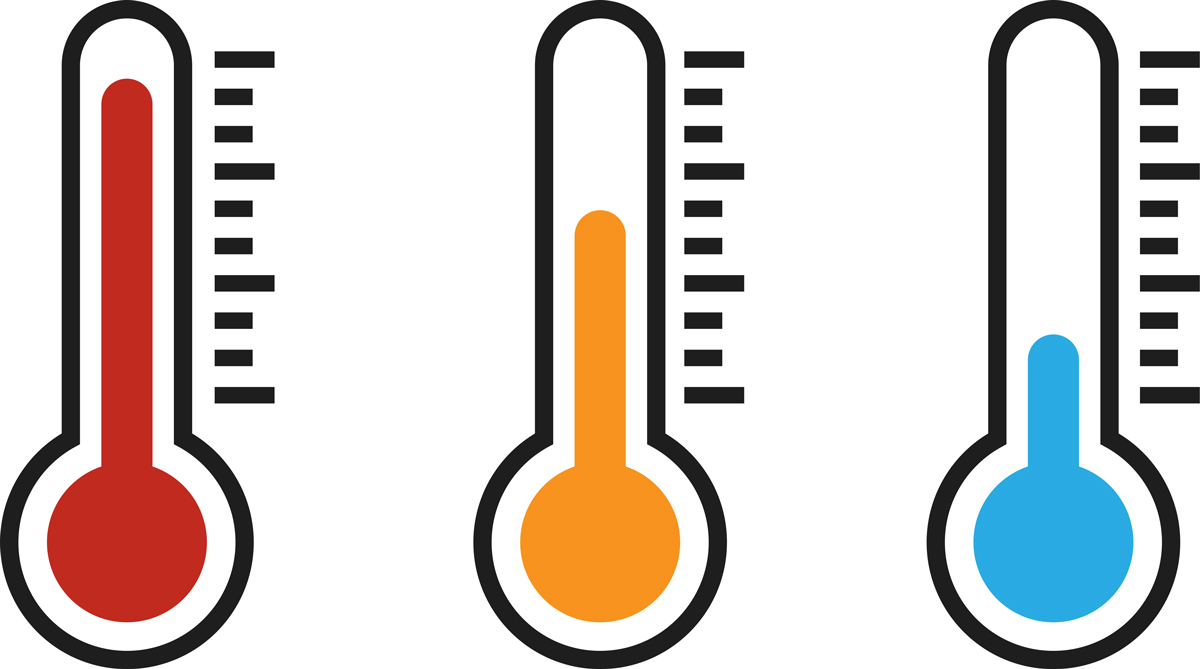
Divide every tradeshow contact into one of three tiers. This doesn’t take long, and it saves weeks of wasted follow-up.
Tier 1: Hot
Had a real conversation. Expressed specific interest. Asked about pricing, timeline, or next steps. These are your highest-priority contacts, and they need personal outreach, not a marketing email.
Tier 2: Warm
Stopped by, engaged briefly, showed some interest, but didn’t go deep. Picked up materials, asked a general question, stayed longer than a casual passerby. These contacts get a structured follow-up sequence. One that’s more than a generic nurture and less than a one-on-one sales call.
Tier 3: Cold
Badge scan only. No real interaction recorded. They may not even remember meeting you. These contacts need a slow, low-pressure drip, not a sales pitch.
If your sales reps were on the floor, make them do this segmentation immediately after the show, while memory is fresh. A contact’s tier should be documented in your CRM before anyone leaves the airport.
Step 2: Move Before the Moment Fades
The window right after a tradeshow is short. Everyone the prospect met is following up at the same time. The rep who moves first and moves personally wins the attention.
For Tier 1 contacts:
Personal outreach from the specific rep or team member who had the conversation. Reference something real from that conversation, not “it was great meeting you at [show name],” but “you mentioned you’re dealing with X, I wanted to send you the case study I referenced.” This is not a marketing email. It’s a continuation of a conversation.
For Tier 2 contacts:
A personal-feeling email from a real person (not a no-reply address), acknowledging the show and offering something specific. Provide a relevant resource, a quick answer to a common question, a clear next step. Keep it short.
For Tier 3 contacts:
Nothing yet. Wait until the first marketing email goes out as part of a slower sequence. Sending an immediate follow-up to someone who has no idea who you are and no memory of your interaction burns trust before you’ve built any.
The goal in the first 48 hours isn’t to sell. It’s to re-establish the connection while it’s still warm.
Step 4: The Cold List Strategy
The instinct with Tier 3 contacts is to either spray them with your standard nurture sequence or ignore them entirely. Neither is right.
The cold list still has value. These people attended the same show you did, which means they’re likely in your industry or adjacent to it. They just don’t know who you are yet.
Treat them like top-of-funnel prospects, not like warm leads. That means:
-
- Low-frequency contact (one email every two to three weeks, not daily)
- Educational content, not sales content
- No urgency, no false familiarity, no “as promised” when nothing was promised
- A slow build toward an ask: let two or three touchpoints establish credibility before you ask for anything
The goal with the cold list isn’t to close deals. It’s to move a percentage of those contacts into a warmer tier over 60 to 90 days. Some of them will raise their hand. Most won’t. That’s fine.
Step 5: Know If It’s Working
Open rates are not a success metric for tradeshow follow-up. Here’s what actually tells you whether your follow-up is converting.
-
- Meeting conversion rate by tier. What percentage of Tier 1 contacts converted to a sales conversation within 14 days? Tier 2 within 30? If your Tier 1 rate is below 30–40%, something is wrong with your initial outreach or your segmentation.
- Pipeline created from show contacts. Track which contacts from the show become actual opportunities in your pipeline, not just leads in your CRM. This is the number your leadership team cares about.
- Time-to-first response. How quickly are your reps making first contact with Tier 1 leads after the show? The longer this window, the lower your close rate will be. Same-day or next-morning outreach outperforms next-week outreach by a significant margin.
Run this analysis after every show. It tells you which shows are worth attending next year and where your follow-up process is breaking down.
The Bigger Picture
A tradeshow is an expensive investment with booth fees, travel, staff time, and collateral. Most companies spend months preparing for the show and 48 hours preparing for what comes after.
The 30 days following the show are when the ROI actually happens. Segment your contacts, move fast on the warm ones, play the long game with the cold ones, and measure what matters.
If your tradeshow follow-up has historically felt like shouting into the void, the problem probably isn’t the show. It’s the system, or the absence of one.